
Glaucoma is one of the eye conditions that can gradually damage the optic nerve and lead to permanent vision loss. The concerning part is that many people may not notice any symptoms during the early stages.
The good news is that glaucoma can often be detected before significant vision loss occurs through appropriate eye examinations and diagnostic testing. Early detection and treatment can help slow or prevent further damage to vision.
If you are concerned about glaucoma or have risk factors for the condition, a timely Glaucoma Diagnosis In Kolhapur can help identify changes before they significantly affect your vision.
What is Glaucoma?
Glaucoma is a group of eye diseases that can damage the optic nerve, which carries visual information from the eye to the brain.
In many cases, glaucoma develops slowly and without noticeable symptoms. Vision loss often begins with peripheral or side vision, which means a person may not realize that their vision is changing.
This is why regular eye examinations are important, particularly for people who have a higher risk of glaucoma.
Can Glaucoma Be Detected Before Vision Loss?
Yes. Glaucoma can often be detected before a person notices significant changes in their vision.
A comprehensive eye examination can evaluate several aspects of eye health, including:
• Eye pressure
• Optic nerve health
• Peripheral or side vision
• Corneal thickness
• Drainage angle of the eye
• Changes in the retina and optic nerve
Importantly, eye pressure alone is not enough to diagnose or rule out glaucoma. Some people can develop glaucoma with normal eye pressure, while others with elevated pressure may not develop the disease.
Why Does Glaucoma Often Go Undetected?
One of the biggest challenges with glaucoma is that early glaucoma often has no obvious symptoms.
A person may have clear central vision and continue with normal daily activities while gradual changes are occurring in their peripheral vision.
By the time noticeable vision loss develops, some of the damage may already be permanent. This makes early Glaucoma Diagnosis In Kolhapur particularly important for people who are at higher risk.
Who Is at Higher Risk of Glaucoma?
Glaucoma can affect anyone, but certain factors can increase the risk.
These include:
• Increasing age
• Family history of glaucoma
• Previous eye injury
• Certain medical conditions
• Long-term use of certain medications such as steroids
• Previous diagnosis of high eye pressure
If you have a family history of glaucoma or have been advised to monitor your eye pressure, regular examinations can help detect changes at an earlier stage.
What Tests Are Used to Detect Glaucoma?
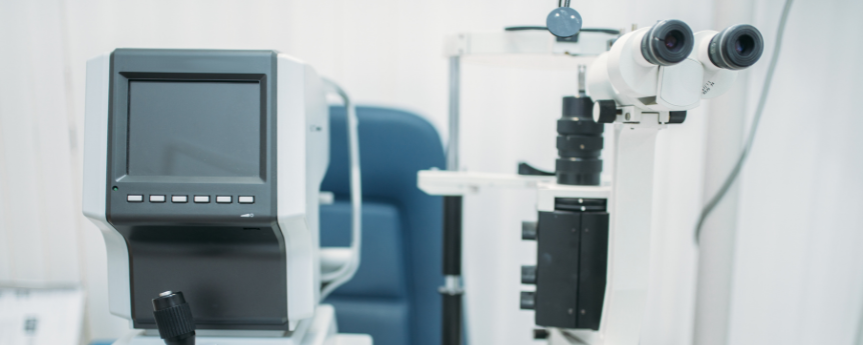
A glaucoma evaluation may involve several tests depending on the patient’s age, symptoms, risk factors, and clinical findings.
Tonometry measures the pressure inside the eye. It is an important part of glaucoma evaluation, but pressure measurement alone cannot provide a complete diagnosis.
Visual Field Test
Optic Nerve Examination
The doctor examines the optic nerve for structural changes associated with glaucoma.
OCT and Other Imaging
Advanced imaging can help evaluate the optic nerve and retinal nerve fibre layer and can be useful for detecting and monitoring structural changes over time.
A combination of clinical examination and appropriate diagnostic tests provides a more complete assessment than relying on a single test.
What Are the Warning Signs of Glaucoma?
Early glaucoma may not cause noticeable symptoms. However, as the disease progresses, a person may experience:
• Gradual loss of peripheral vision
• Difficulty seeing objects from the sides
• Increasing difficulty navigating in certain situations
• Advanced loss of vision
Some forms of glaucoma, particularly angle-closure glaucoma, can cause sudden symptoms such as severe eye pain, red eye, nausea, and blurred vision. These symptoms require urgent medical attention. (National Eye Institute)
Can Glaucoma Be Treated?
- Prescription eye drops • Laser treatment • Surgical procedures • Regular monitoring and follow-up examinations
When Should You Get a Glaucoma Checkup?
You should consider a comprehensive eye examination if:
• You have a family history of glaucoma
• You have been told that your eye pressure is high
• You are experiencing changes in peripheral vision
• You have other risk factors for glaucoma
• Your eye specialist has recommended regular monitoring
People at higher risk may need examinations at regular intervals based on their individual risk profile.
About Drishti Deep Phaco & Eye Care Centre
Drishti Deep Phaco & Eye Care Centre provides comprehensive eye care and diagnostic services under the guidance of Dr. Mandar Patil (MS Ophthalmology), with over 25 years of experience in ophthalmology.
Key services include:
• Glaucoma Diagnosis & Surgery
• Glaucoma Treatment In Kolhapur
• Eye Checkups
• Retina Checkup & Treatment
• Advanced diagnostic eye testing
Clinic Locations
Drishti Deep Phaco & Eye Care Centre – Bindu Chowk
Bindu Chowk, 633, Shivaji Rd, C Ward, Laxmipuri, Kolhapur
Drishti Deep Phaco & Eye Care Centre – Nagala Park
249/31, E Ward, Nagalapark, Kolhapur
Phone: 9766710636
Regular eye examinations can help identify glaucoma and other eye conditions before they significantly affect your vision.